
Understanding the implications now could be the difference between missed opportunities and maximising your financial strategy.
The Autumn Budget has now been delivered, ending weeks of speculation, leaks, and uncertainty. Chancellor Rachel Reeves’ announcements introduce significant changes to pensions, ISAs, tax rates, and reliefs, with measures such as a £2,000 cap on salary-sacrifice pension contributions and a reduction in the cash ISA allowance for adults under 65. While the Budget prioritises economic stability over growth, it also creates opportunities to optimise financial planning. This briefing outlines the macro outlook and what the announcements mean for your financial planning.
A macro outlook
After weeks of rumour, kite-flying, intense lobbying and U-turns, the one indisputable fact about the Budget is that it has now been delivered and the details published – love it or loathe it, wild speculation about its contents ends. Commentators will clearly take time to digest what it all means, the macro and micro implications, but as we know, what markets dislike more than anything is uncertainty, and some of that has now been lifted.
In years gone by, the Chancellor and Treasury would observe a period of ‘purdah’ prior to the Budget, a news blackout ahead of the Commons announcement. More recently, this practice has been replaced by selectively leaking possible policies, testing them both in the court of public opinion and on the back benches.
Compared to a trickle in previous Budgets, leaks ahead of this Budget were an open tap, and the uncertainty created is bound to have had a damaging impact on business and consumer confidence. Former Bank of England Chief Economist Andy Haldane has said that a ‘circus’ of leaks is ‘the single biggest reason why growth has flatlined’. It is hoped now that a partial lifting of this uncertainty can release the spending breaks a little at this critical time in the weeks leading up to Christmas.
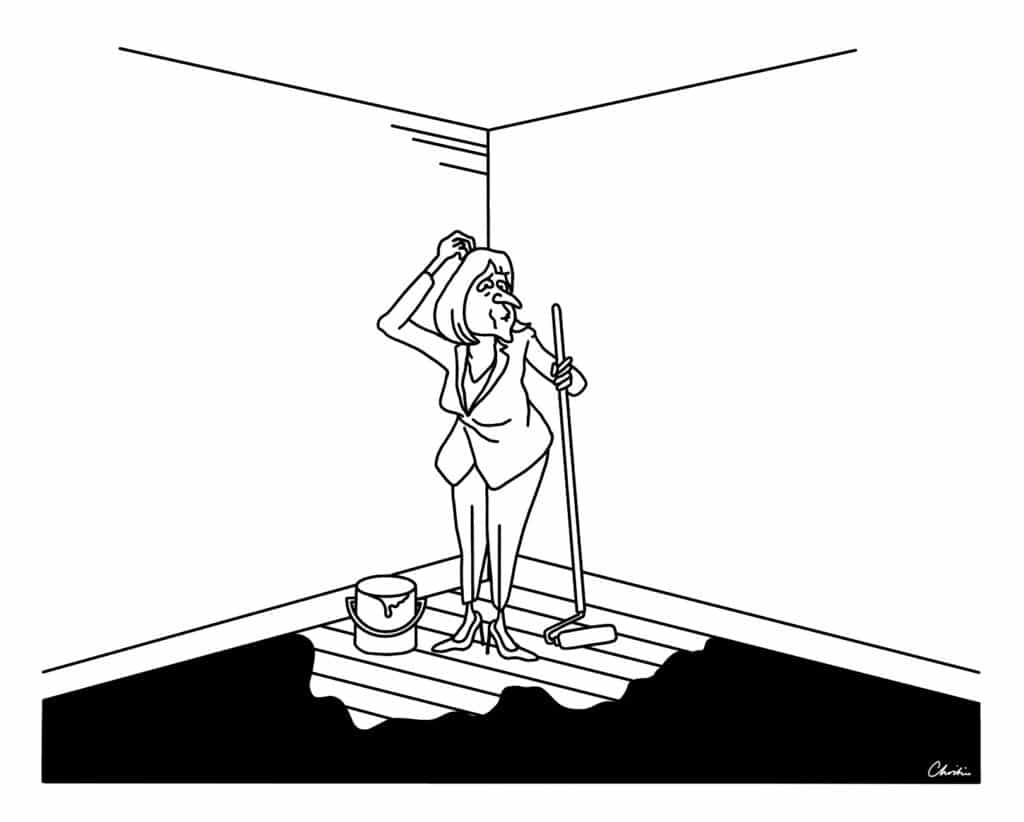
Chancellor Reeves had invidious choices going into this Budget, but largely of her own making. The £22bn black hole she identified in Government finances on coming into office, was supposed to have been sorted by a ‘one and done’ £40bn tax raid in her first Budget last October, “I’m really clear, I’m not coming back with more borrowing or more taxes.” A year later, higher spending and productivity downgrades have seen the fiscal hole grow to c. £30bn. But by recommitting to a manifesto pledge not to raise any of the big three taxes – National Insurance, Income tax and VAT – Reeves had painted herself into a corner in terms of her ability to conclusively tackle the issue.
Rain Newton-Smith, head of the CBI, called on Reeves to announce one or two broad tax increases rather than ‘death by a thousand taxes’, but a series of piecemeal changes to the tax system is all that was left once the big taxes had been ruled out. Her choices in the Budget allow her to meet her fiscal rules and an improvement in fiscal headroom (a financial ‘buffer’ should circumstances require) from £10bn in the Spring Statement to £22bn will please the bond market. But against this, public sector borrowing is forecast to grow next year before flatlining into 2029-30, public debt forecast to tick higher next year before settling at c.83% debt to GDP on the same time frame.
The market’s initial reaction was muted: sterling ticked up against the $ and Euro, 10 year gilt yields (the benchmark rate) fell a few basis points (prices rose), and the FTSE100 settled modestly higher. This would suggest that Rachel Reeves ‘got away with it’, did just enough not to upset the all-important bond market. Put this though in the context of the prevailing gloom and doom media commentary ahead of the Budget, and ‘just enough’ is hardly a ringing endorsement.
Rachel Reeve’s number one economic priority on coming into office was growth, but the focus in this Budget was economic stability. Business leaders will be disappointed at the shift in emphasis and the anaemic growth forecasts from the OBR. The elephant in the room, passed over in the Budget, is a welfare bill that ballooned around Covid and has remained stubbornly high since. Attempts to address it have singularly failed, back benchers threatening revolt, and changes in this Budget will see it rise further still.
- Mike Felton (Chief Investment Officer)
Financial planning implications
Below is our interpretation of yesterday’s Autumn Budget and the changes that may impact you and your family. As you will see, the Budget is likely to have a knock-on effect on your financial planning considerations, depending on your current circumstances. It is therefore an optimal time to engage with your Lumin financial planner to ensure you are protected before the tide moves against you.
To help you digest the announcements, we have laid out the changes in order of when they will be implemented.
Immediate
- The relief on the proceeds from a ‘qualifying disposal’ to an employee ownership trust has been reduced from 100% to 50% with immediate effect.
2026/27 Tax Year
- Venture Capital Trusts:
- Tax relief on qualifying investments will be reduced from 30% to a 20%.
- To encourage investment in ‘scale-up’ businesses there has been an increase in company size and investment limits.
- Defined Benefit pensions rescued by the Pension Protection Fund, which previously did not index pensions accrued before 1997, will now increase in line with inflation, capped at 2.5%.
- The £1 million Business Relief allowance and the Agricultural Property Relief allowance will both become transferable between spouses, including for estates of those who pass away before 6 April 2026.
- The Government will launch a consultation to review the future of the Lifetime ISA (LISA).
- A 2% increase will be applied to income derived from dividends. Please see the new tax rates below:
2027/28 Tax Year
- Cash ISA allowance will be cut from £20,000 to £12,000 for individuals under the age of 65. Stocks and Shares ISA allowances will remain at £20,000.
- Personal representatives administering estates can request that pension scheme administrators withhold 50% of taxable benefits for 15 months following the date of member’s death. (HMRC are holding further workshops with the industry to discuss).
- A 2% increase will be applied to income derived from savings and property rental income. Please see the new tax rates below:
2028/2029 Tax Year
- The previously scheduled lift of the income tax band freeze has been postponed, with the freeze now extended through the 2030/31 tax year. This policy will result in more people paying tax and moving into higher tax bands each year.
2029/2030 Tax Year
- Salary Sacrifice pension contributions will be capped at £2,000 to qualify for National Insurance relief. Any excess contributions will attract employee and employer National Insurance contributions.
- “A ‘Mansion Tax’ will be introduced as an additional levy on homes valued over £2 million, starting at £2,500 and increasing on a sliding scale to £7,500 per year for properties over £5 million. These amounts will rise annually in line with consumer price inflation.”
What the Budget announcements mean for you
The Autumn Budget introduces a range of changes that could affect your savings, investments, and overall tax position, but with the right planning, you can stay in control. While some reliefs are being reduced and limits on ISAs and pension contributions tightened, this moment provides ample opportunity to make the most of, such as transferable Business and Agricultural Property Reliefs.
Changes to tax rates and bands may mean higher liabilities for some, but understanding these adjustments now allows you to plan effectively. Other new measures, including the Mansion Tax and pension contribution caps, highlight the importance of reviewing your financial strategy holistically. By taking a proactive approach with your Lumin financial planner, you can safeguard your wealth, optimise available reliefs, and ensure your plans remain on track, giving you confidence as the financial landscape evolves.
- Jason Coppard (Financial Planning Manager) and Joe Fisher (Financial Planning Manager)
[i] A Lumin financial planner can help you understand how these Budget announcements affect you, and can help you optimise your position, and ensure your plans remain resilient as the rules continue to evolve. Call 03300 564 446 to arrange a post-Budget review, or get in touch via our contact form.